Why the Lottery Always Wins: The Math Behind the Tickets

Every year, millions of Canadians spend billions of dollars chasing a jackpot dream that almost never happens. The odds? Shockingly tiny. Yet ticket sales keep climbing—and lottery corporations keep cashing in. ???
At the end of the day, the numbers tell a blunt truth: for most people, buying a lottery ticket is more like paying a voluntary tax disguised as entertainment. Let’s break down why the house almost always wins.
? The Odds Are Brutal
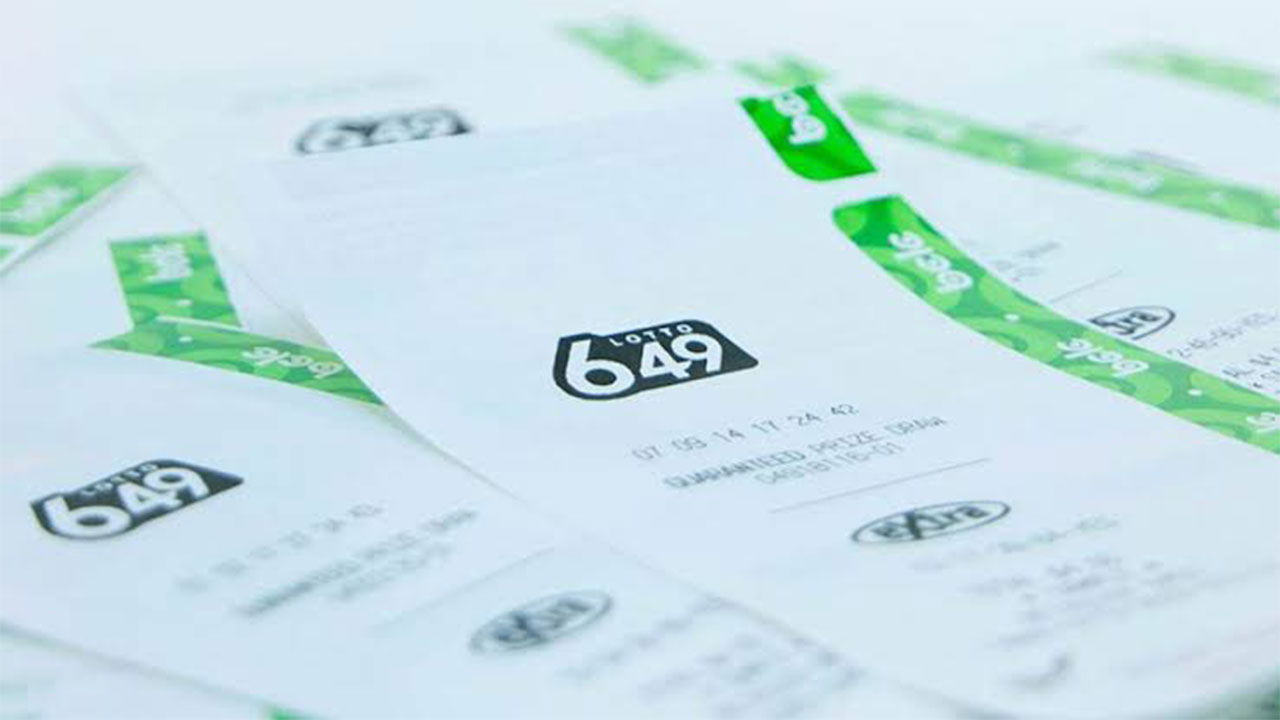
For a game like Lotto 6/49, the chance of hitting the jackpot is about 1 in 13,983,816.
To put that into perspective:
-
You’re more likely to be struck by lightning than win the top prize. ?
-
Millions of players buy tickets weekly despite the microscopic odds.
The catch? Those numbers are public—but they rarely show up in flashy lottery ads. Instead, marketing focuses on life-changing winners and massive jackpots, creating a gap between what people believe and what the math actually says.
? Where Your Ticket Money Really Goes
When someone buys a lottery ticket, only part of that dollar comes back as prizes. The rest is divided up across the system.
Typical breakdown includes:
-
Prize payouts to winners
-
Retailer commissions
-
Operating costs
-
Government or provincial revenue
On average, lotteries return about 50 cents in prizes for every $1 spent. That means the expected value of a ticket is roughly half of what you paid—making it one of the worst financial bets around.
? Why People Keep Playing
Even with the odds stacked sky-high, players keep coming back. Psychology plays a huge role here.
A few key factors:
-
Optimism bias: People believe they’re luckier than the statistics suggest.
-
Social proof: Seeing everyday winners in ads makes winning feel realistic.
-
Huge jackpots: Massive prizes grab attention and trigger excitement.
When emotions kick in, logic about probability often takes a back seat.
? The Hidden Impact on Lower-Income Players
Research shows that lower-income households often spend a higher share of their income on lottery tickets.
Some concerning patterns include:
-
Lottery outlets appearing more often in lower-income areas
-
Frequent small purchases adding up over time
-
Vulnerable players developing compulsive buying habits
In reality, the system tends to profit the most from people who can least afford the losses.
?? The “Good Cause” Image
Lotteries often highlight how ticket sales help fund hospitals, sports programs, and community initiatives. This creates the feeling that buying a ticket is helping society.
But the details matter.
-
Only a portion of revenue reaches those causes.
-
Administrative and operational costs take a sizable cut.
If someone wants to support a charity, direct donations are usually far more efficient.
? The Real Cost Over Time
A small weekly habit can quietly turn into a large expense.
Example:
-
$20 per week on tickets = about $1,040 per year
-
Over 10 years, that’s more than $10,000 spent
And statistically, the chance of recovering that money is still extremely low.
Compare that with even a basic savings account or low-risk investment, and the difference becomes obvious—compound interest builds wealth, while lottery spending drains it.
? The Power of the “Near Miss”
Scratch cards and quick-pick games are cleverly designed to create the feeling that you almost won.
That near-miss sensation:
-
Triggers the brain’s reward system
-
Encourages players to try again
-
Creates the illusion that a win is just around the corner
In reality, every ticket and draw is completely independent. Past results don’t increase your chances next time.
? A Smarter Way to Think About Luck
Understanding the math doesn’t mean people are foolish for playing. The system itself is built around emotion, excitement, and hope.
But recognizing the numbers can shift perspective.
Key takeaway:
-
Lottery tickets are entertainment—not an investment strategy.
-
Small weekly spending adds up more than people realize.
-
Long-term saving almost always beats gambling on probability.